Physical Address
304 North Cardinal St.
Dorchester Center, MA 02124
Physical Address
304 North Cardinal St.
Dorchester Center, MA 02124

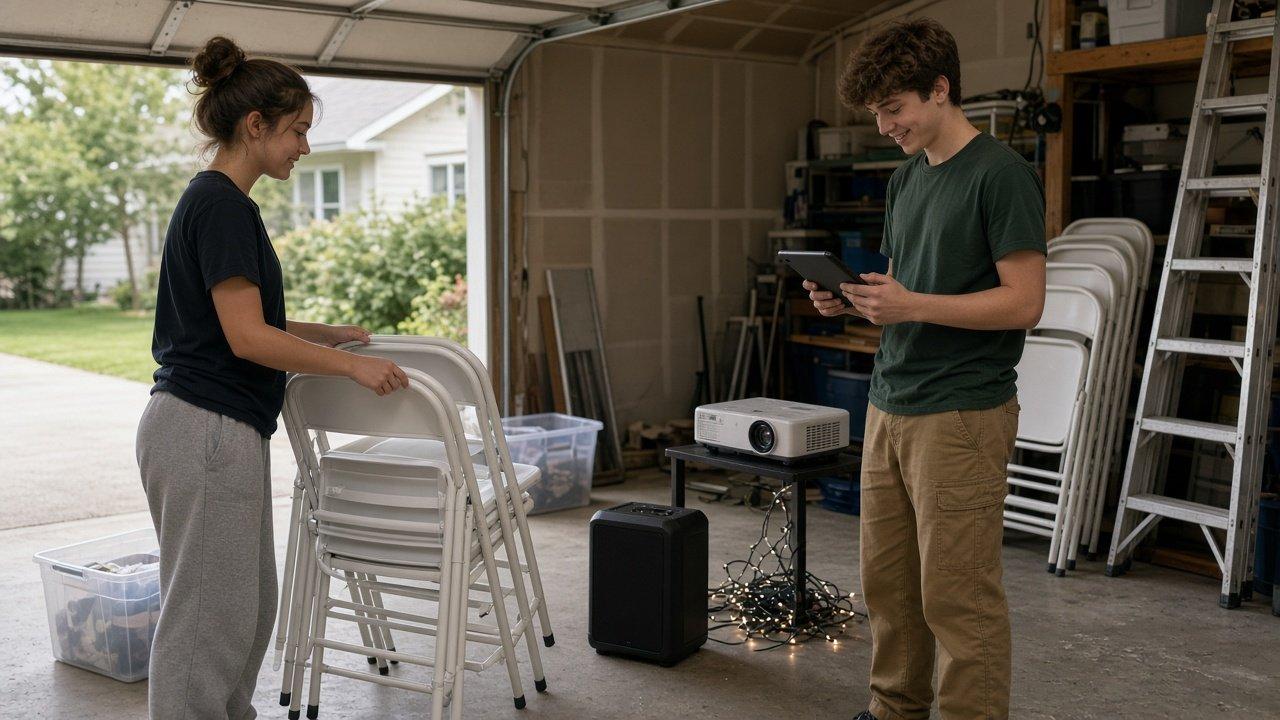
Most teen business ideas involve selling something: crafts, snacks, designs or services such as tutoring and lawn care. Rental is different. Instead of selling an item once, you buy it once and earn money from it again and again. That simple idea is behind huge companies that rent cars, construction machines and party supplies, and it can work on a much smaller scale for a motivated teenager.
A small rental business can teach you pricing, customer service, contracts, marketing and money management, all while earning steady income. This guide explains how to get started safely and sensibly.
Rental businesses have a few advantages for young entrepreneurs:
There are already big businesses built on this model. Even something as unglamorous as skip hire can be profitable, as this guide on how to start a dumpster rental business shows. You are starting smaller, but the principles are the same.
Choose items that are in demand locally, easy to store and safe for customers to use without special training. Some ideas:
Avoid anything dangerous or heavily regulated, such as power tools, motor vehicles or equipment that requires a licence.
Before buying anything, find out what people around you actually need. Ask neighbours, family friends and local community groups. Look at local social media groups to see what people are asking to borrow. If several people are looking for a projector for outdoor movie nights each summer, that is a signal.
The cheapest way to start is with items your family already owns but rarely uses. A tent that is used once a year or a projector that sits in a cupboard can earn money instead. Get permission from whoever owns the items first.
As your business grows, reinvest earnings into more of the items that rent most often.
You do not need a long document, but you should answer a few key questions: what will you rent, who will rent it, how much will you charge, how will people find you and how will you handle damage? The SBA’s guide to writing a business plan is aimed at all ages and is a helpful way to structure your thinking, even if your plan fits on one page.
Look at what other local rental businesses charge, then decide on daily, weekend and weekly prices. A common approach is to aim to earn back the cost of each item within its first several rentals, then the rest is profit, minus repairs and replacements.
Set clear rules:
Write these on a simple rental agreement and ask customers to sign it. Ask a parent or guardian to help, especially for collecting deposits and handling agreements with adults.
Even a small rental business quickly becomes confusing. Which items are out? Who has them? When are they due back? Has the deposit been returned?
At first, a notebook or spreadsheet is fine. As you grow, a simple rental booking app can track availability, bookings and payments for you, and let customers check what is free on their dates without messaging you every time. Learning to use tools like this early is a valuable skill for any future business.
Rental businesses grow by word of mouth, so start close to home:
Good photos make a big difference. Show your party lights set up in a garden or your camping gear at a campsite, not just items on a floor.
Customers return to rental businesses they trust. Make sure items are clean, working and complete with all their parts. Include simple instructions. Be on time for pickups and returns. If something goes wrong, be polite and fair. Excellent service is how a small rental business competes with bigger ones.
Your safety comes first. Always involve a parent or guardian, meet customers in safe places or have an adult present, and never go to a stranger’s home alone. Check whether you need any permission or registration to run a small business in your area, and keep records of the money you earn.
A rental business is a smart way for teens to learn real entrepreneurship. You start small, reinvest your earnings, build relationships with customers and learn how to manage assets, money and time. Who knows? The tent you rent out this summer could be the first step towards running a much bigger business one day.